Day 1 - LAMAR VALLEY
Located in the northeast corner of Yellowstone National Park, Lamar Valley is known for its picturesque views of open prairie of sagebrush and glacial boulders (erratics), meandering rivers, creeks, and canyons, all nestled within a layered mountainous backdrop. Depending on the time of year, this area is known for animal sightings of all sorts. From soaring bald eagles, roaming bison, frolicking pronghorn, elk, moose, bighorn sheep, coyotes, fox, and badger, to grizzly, black bears, and wolves, this area is prime habitat for just about any wildlife you might encounter in Yellowstone National Park. Although wildlife in Yellowstone National Park appears to visitors on its own terms and desired locations, guides have experience in knowing where to keep an eye out! You’re sure to see some unique wildlife views in this section of the park.
Day 2 - WEST YELLOWSTONE TOUR FEATURES
Mammoth Hot Springs
Mammoth Hot Springs is a captivating geological hot springs feature that sits at an elevation of 6,735 feet, creating cascading terraces of steaming white, copper and caramel-colored travertine, flowing around and down the slopes of Terrace Mountain. Aside from its own unique features, the views from atop this epic natural wonder include the Gallatin Mountain Range, Mount Everts, Bunsen Peak, Fort Yellowstone and the Mammoth Hot Springs Historic District.
Norris Geyser Basin
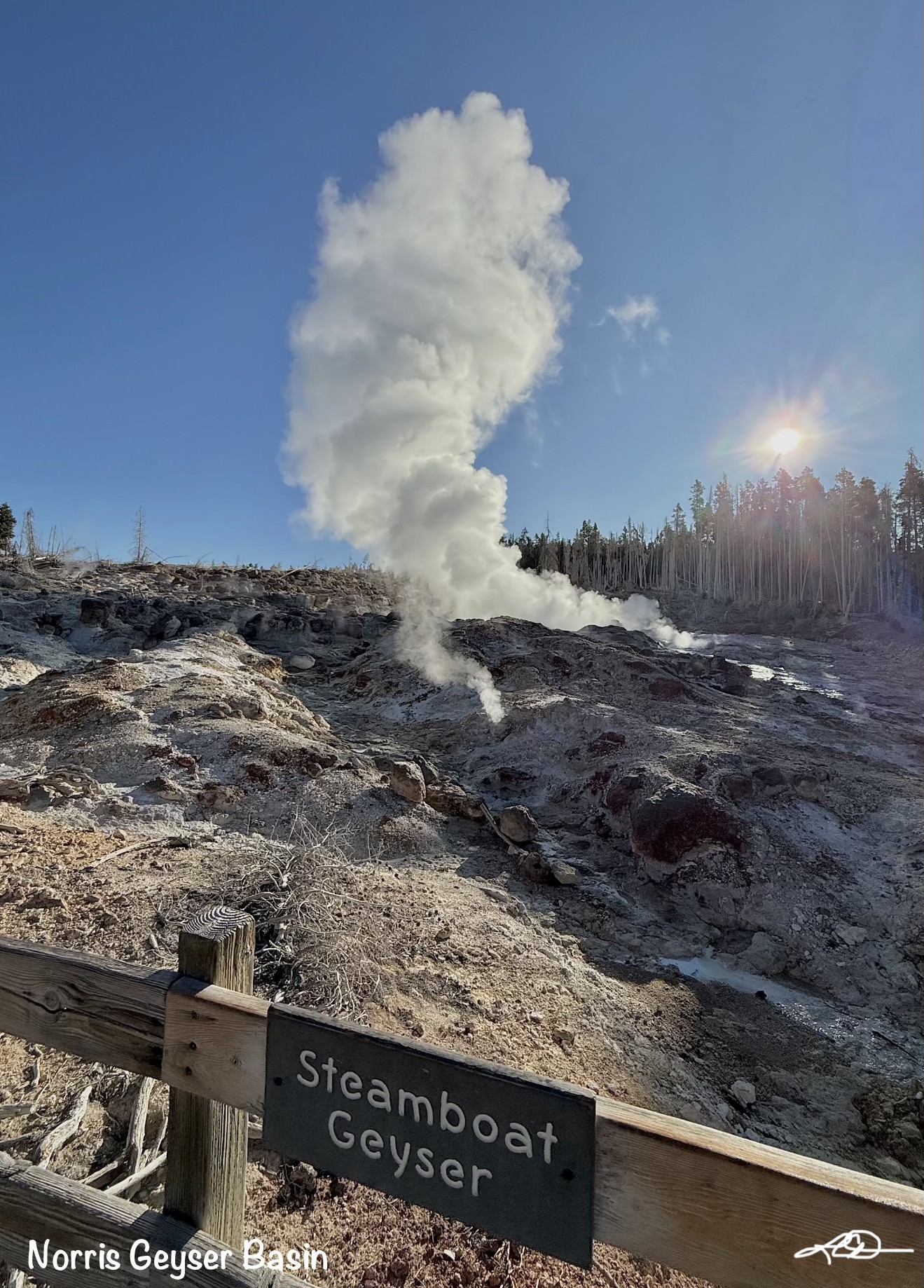
The Norris Geyser Basin contains the Steamboat Geyser, which is the world’s tallest active geyser with a recorded peak height reaching just over 400 feet. The Norris Geyser Basin is home to a steaming and bubbling landscape that includes hot springs, mudpots, fumaroles, and geysers which tourists may meander through on strategically placed boardwalks across the terrain.
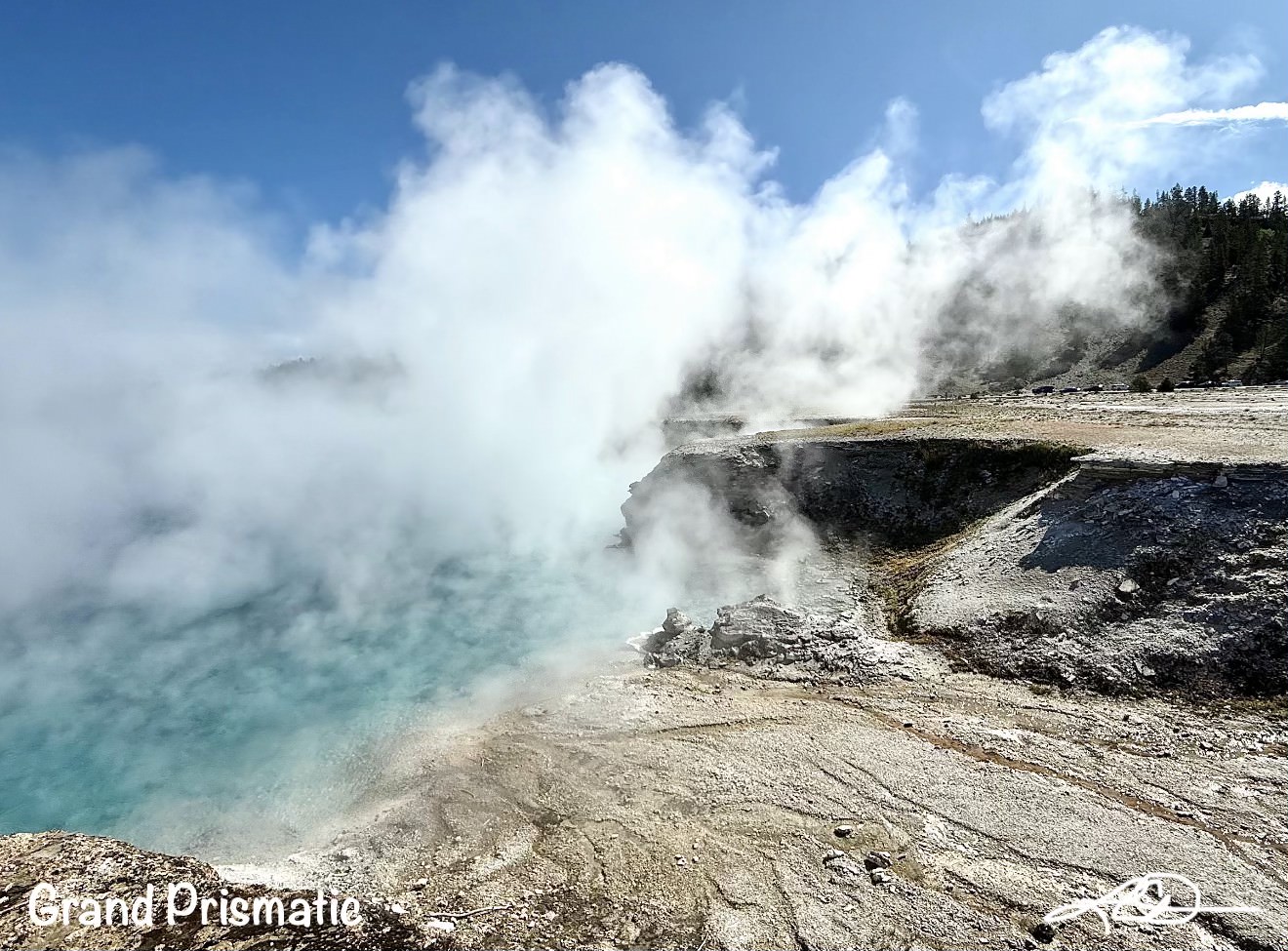
Grand Prismatic Hot Springs
The Grand Prismatic Hot Springs are the largest hot springs in the United States, and third largest hot springs in the world. The colorful effects created by thermophiles living in the hot water and minerals expelled from this hot spring are beyond magnificent. Thermophiles are microbes that thrive in high temperatures, giving many high temperature features in the park their colors. These vibrant colors can be observed especially in the Grand Prismatic Hot Springs, and at the right time of day, in the misty, steaming air above them.
Old Faithful Geyser
Situated in the Upper Geyser Basin at the southern end of the park, amidst 150 other geysers and hundreds of hot springs, famous for its eruption predictability, the Old Faithful Geyser boasts eruptions between 100-200 feet in height, with a magnificent, billowing plume extending high into the open air above its eruptions.
Day 3 - EAST YELLOWSTONE TOUR FEATURES
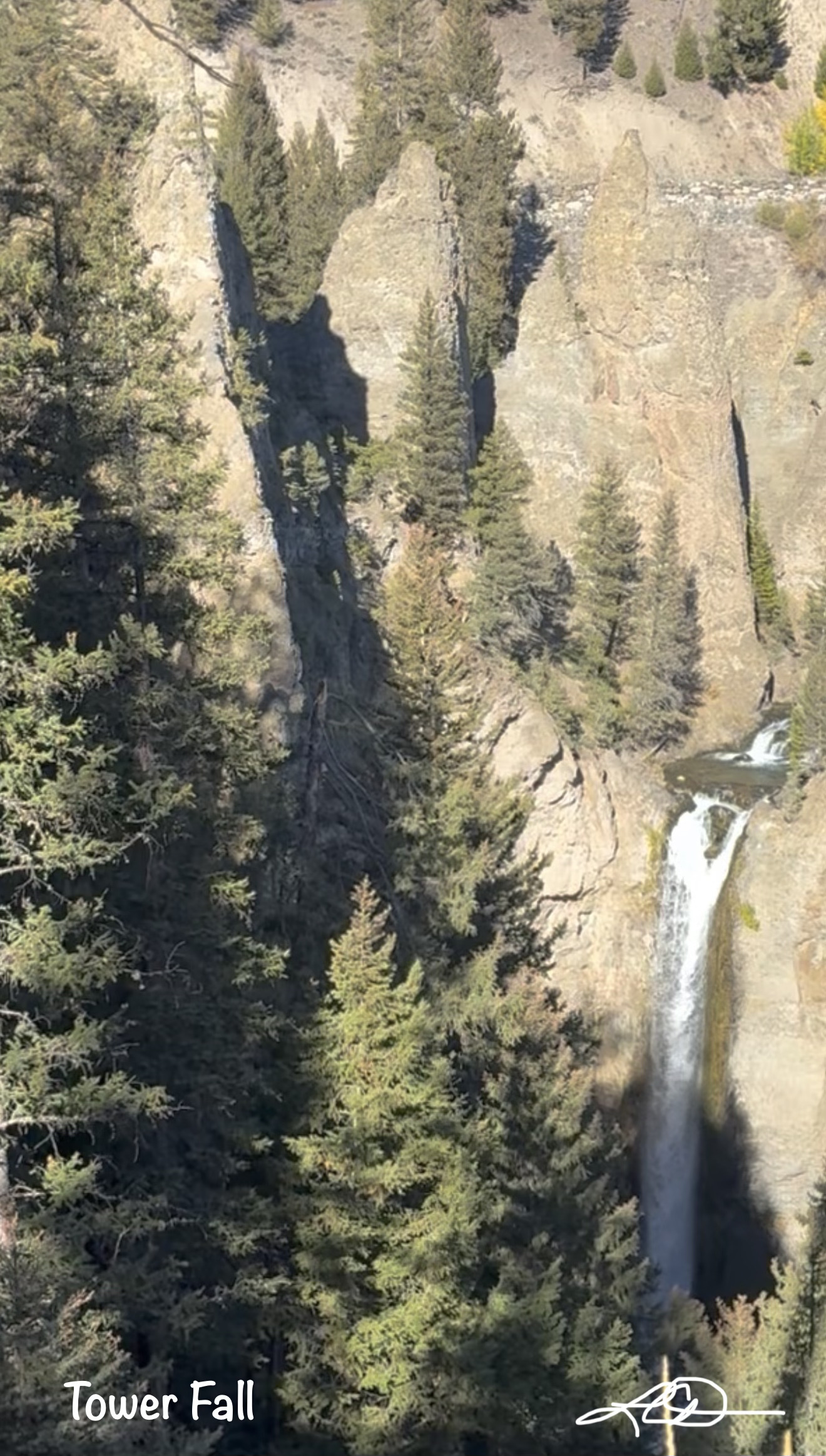
Tower Fall and Devil’s Den
Built by compacted and naturally cemented volcanic debris and carved out by the Yellowstone River and Tower Creek, the Tower Fall area features an ancient, 132 foot, plummeting waterfall and looming, tower-like natural structures. These structures continue to change through the erosion made by the two waterways. Photographs and paintings of Tower Fall (in 1871), helped to motivate the Act of Congress to sign to establish what is today known as Yellowstone National Park.
Grand Canyon of the Yellowstone
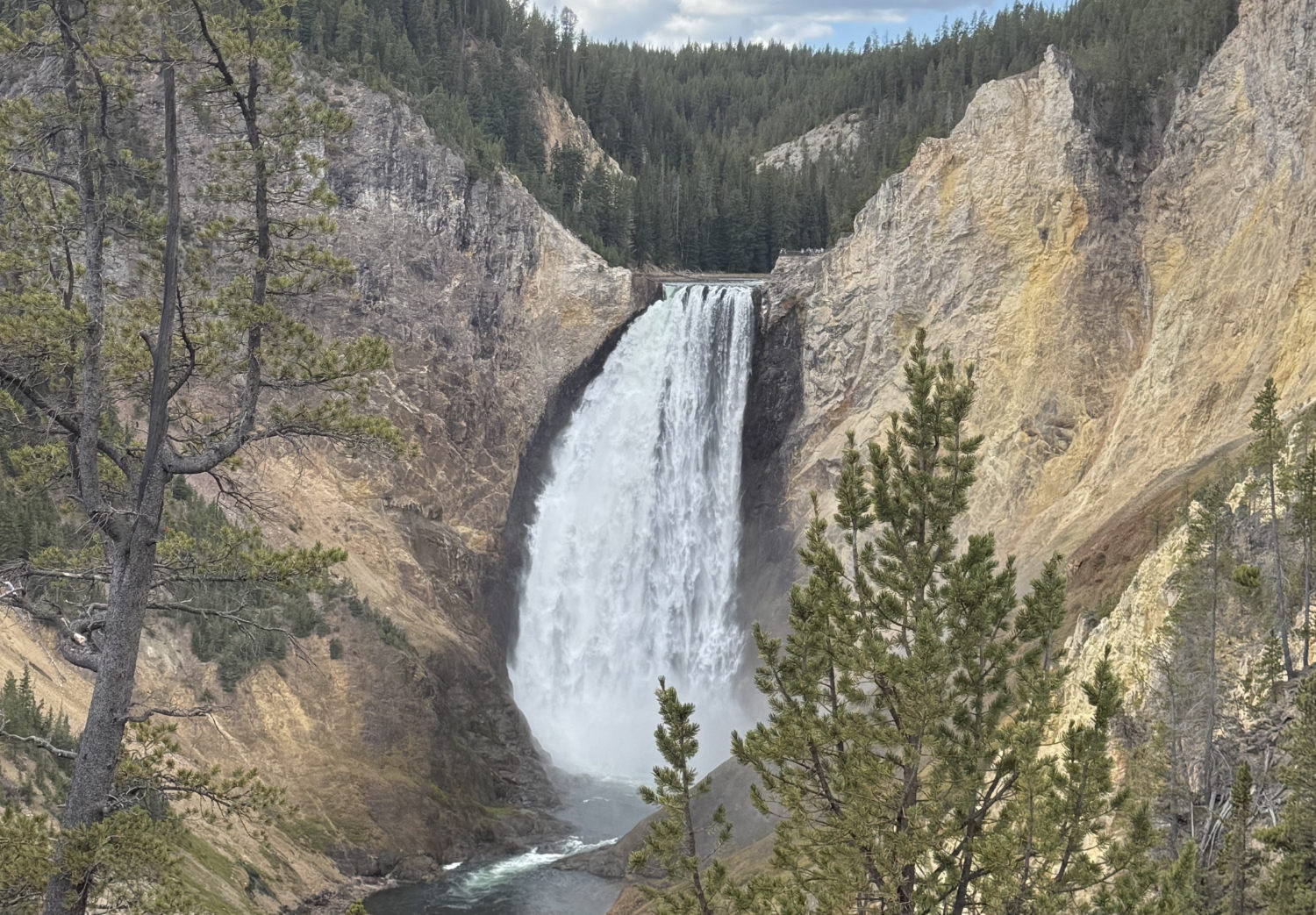
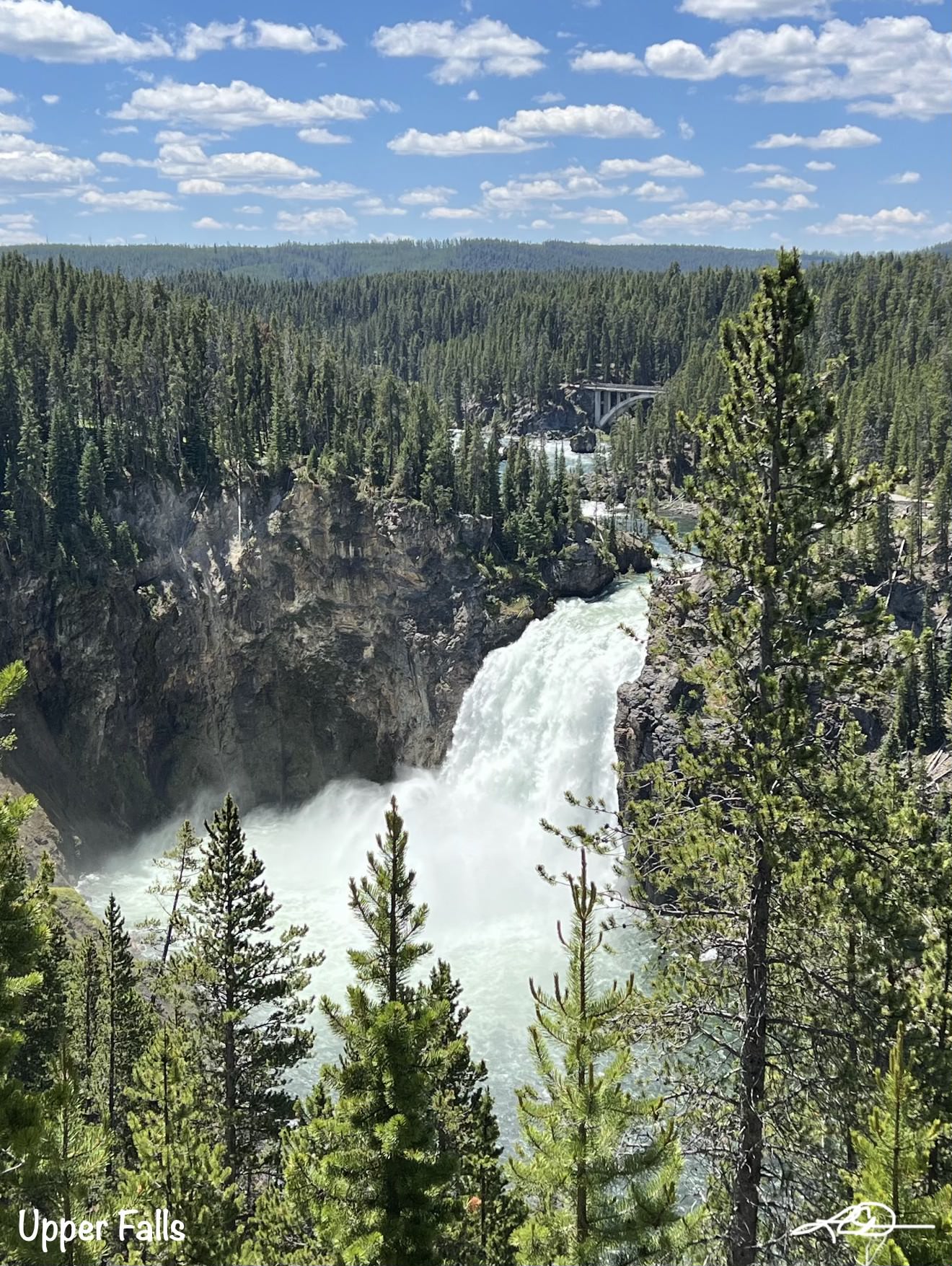
The stunning and breath-taking views from atop the 24 mile-long Grand Canyon of the Yellowstone boast canyon depths of 800-1,200, featuring the rolling Yellowstone River, gushing waterfalls, and colorful canyon walls. The depth, shape, an awe-striking color scheme in the canyon has been created by ancient volcanic lava flows, and the erosion created by flowing water and glacial recession occurring during the most recent ice age, between 22,000 and 13,000 years ago. The main features include canyon views of the Upper and Lower Falls and Canyon, including Artist Point.
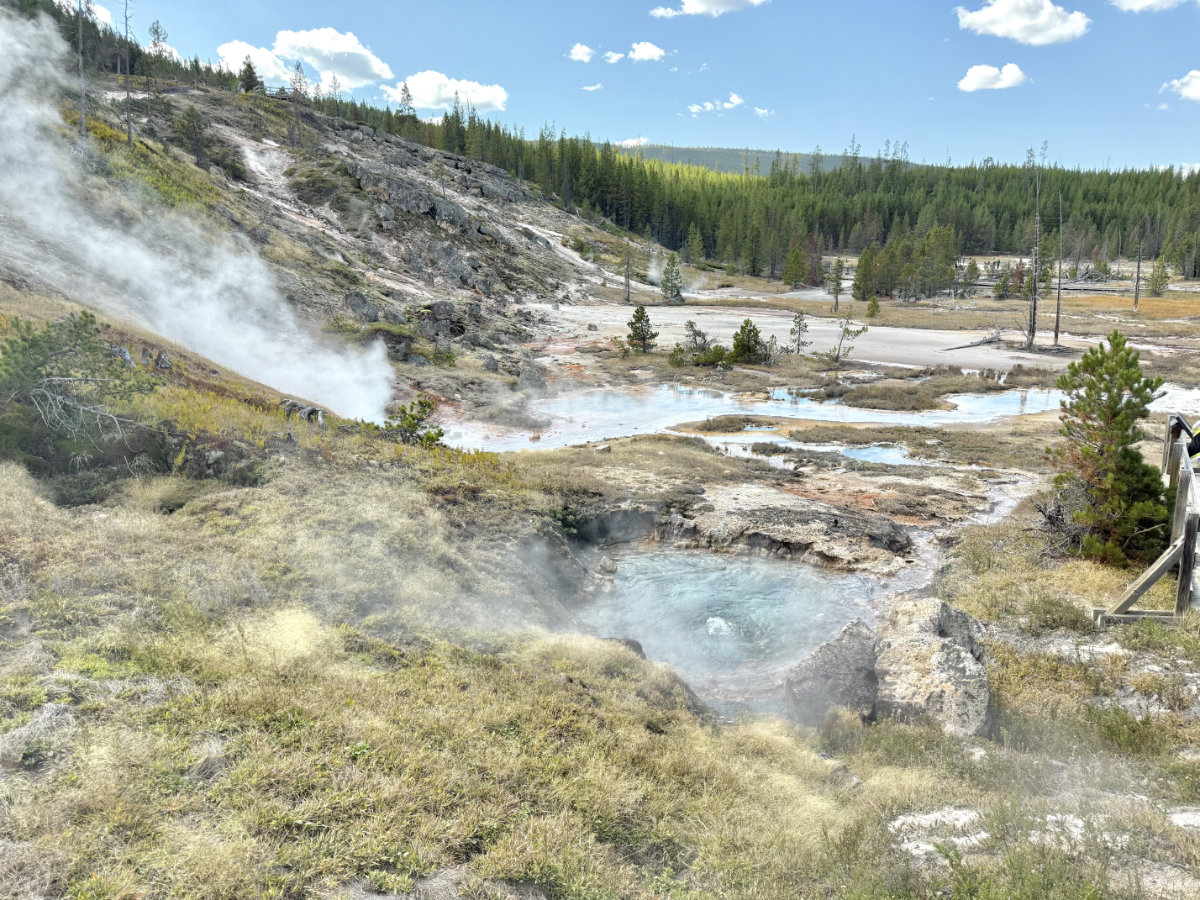
Mud Volcano
After a beautifully scenic drive through Hayden Valley, located in the Hayden Valley Geyser Basin, this mystifying landscape invites tourists to meander amidst bubbling mudpots, roiling hot springs, and small volcanic lakes. Watch from observation decks along the less than one mile boardwalk strategically placed for viewing these natural wonders.
Yellowstone Lake and West Thumb Geyser Basin
Water and wondrous volcanic scenery overtake this captivating section of the park. Yellowstone Lake, formed by the collapse of a volcano, some 600,000 years ago, contains on its bottom, active hot springs, interesting vegetative life, and cutthroat trout. Yellowstone Lake is the largest high-elevation lake in North America. Fed by cold, mountain run-off streams and snow, and due to its elevation of roughly 7,730 feet, and depths of over 394 feet, it remains frigidly cold all year round, despite the some 345 degree hot springs bubbling up from below. The West Thumb Geyser Basin hydrothermal features provide us with a glimpse of what exists at the bottom of Yellowstone Lake and below.
Day 4 - CHIEF JOSEPH SCENIC BYWAY
The Chief Joseph Scenic Byway is named for Chief Joseph of the Nez Perce (Nee-Me-Poo) Native American Tribe. This tour is an out-and-back tour. After exiting the Lamar Valley of Yellowstone National Park, your ride enters the Absaroka Mountains, making the turn-around in Cody, Wyoming. The stunning views of the Absarokas offer colorful, grandeur mountain views, teaming in vistas, valleys, plateaus, rivers, and deep gorges that tell the story of how Chief Joseph and the roughly 700 Nez Perce Natives heroically resisted force to move to reservations by skillfully evading (ultimately unsuccessfully) and fighting the United States Cavalry.
A professional guided private tour
National park entry fee
Extra water
Sunblock
Bear spray for each tour member
Binoculars and scopes for wildlife viewing
Sunglasses
Baseball cap or sun hat
Detailed itinerary information will be available soon. Please check back later or contact us for more details.